

2 days News & Events
Payday Super: Why your payroll platform matters
3 min read



With 50% of payments to UK small businesses made late, costing an estimated £1.6 billion each year, at Xero we’ve been campaigning hard to see sweeping changes made to help.
Now, the UK government has announced that it will legislate against big businesses that pay late, with maximum 60-day payment terms, a 30-day deadline to dispute invoices, mandatory interest on late payments and fines for offenders.
Sadly, it will take a few years for the legislation to be pushed through.
But there are still ways to better organise yourself now, so you can avoid penalties, free up cash, and reduce stress. Here are five practical, Xero-driven tips to avoid late payments.
If regulation is going to cap how long customers can take to pay, your job is to remove every excuse for them to delay. In Xero, that starts with adding a “Pay now” button to every online invoice via embedded providers like Stripe and GoCardless. Customers can then pay in just a few clicks. Data shows that Xero customers who use online invoice payments get paid up to twice as fast as those who don’t.

Some of the late payment problems are simply mismatched payment preferences. While 86% of customers say they pay with credit or debit cards, and 74% of UK consumers use direct debit, 58% of UK small businesses don’t offer it. Xero lets you bridge that gap by offering cards and digital wallets via Stripe, and direct debit through GoCardless, removing one of the biggest frictions customers cite in paying on time.
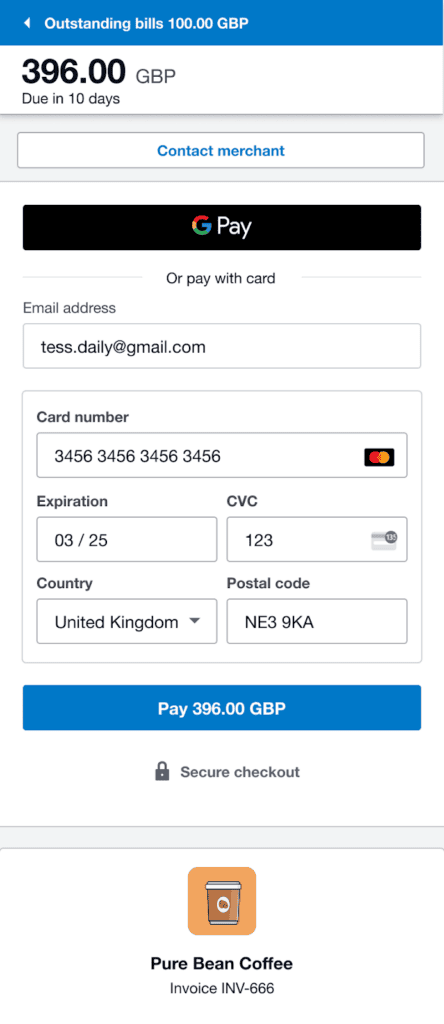
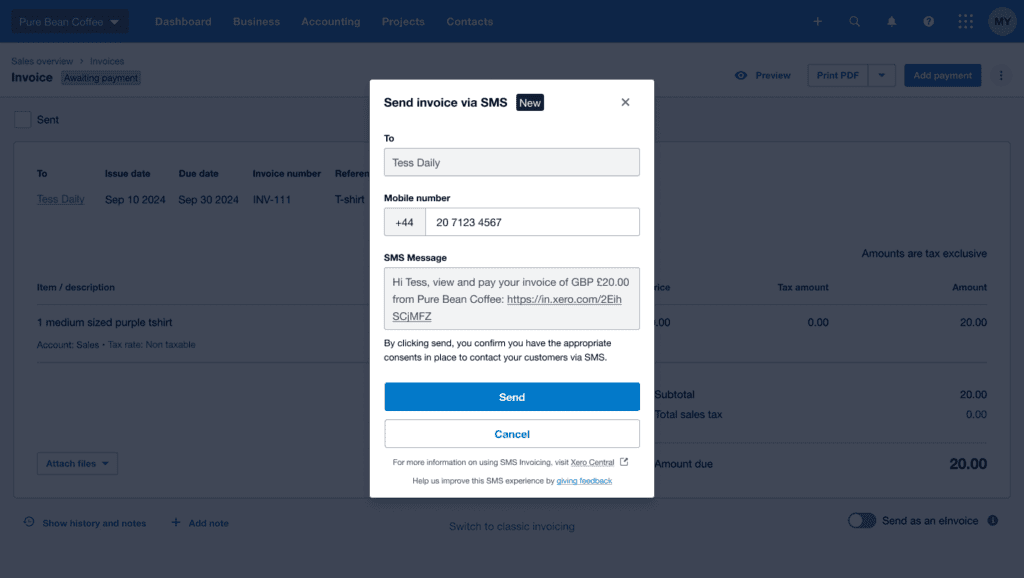
A lot of “lateness” is just human forgetfulness. Xero can quietly take that off your plate with automated invoice reminders triggered by due dates. You can also use customer statements with a single Pay button, or send invoices by SMS , with UK data showing invoices sent via SMS are paid on the same day on average. Globally, small businesses save around 3 hours a week using automated reminders.
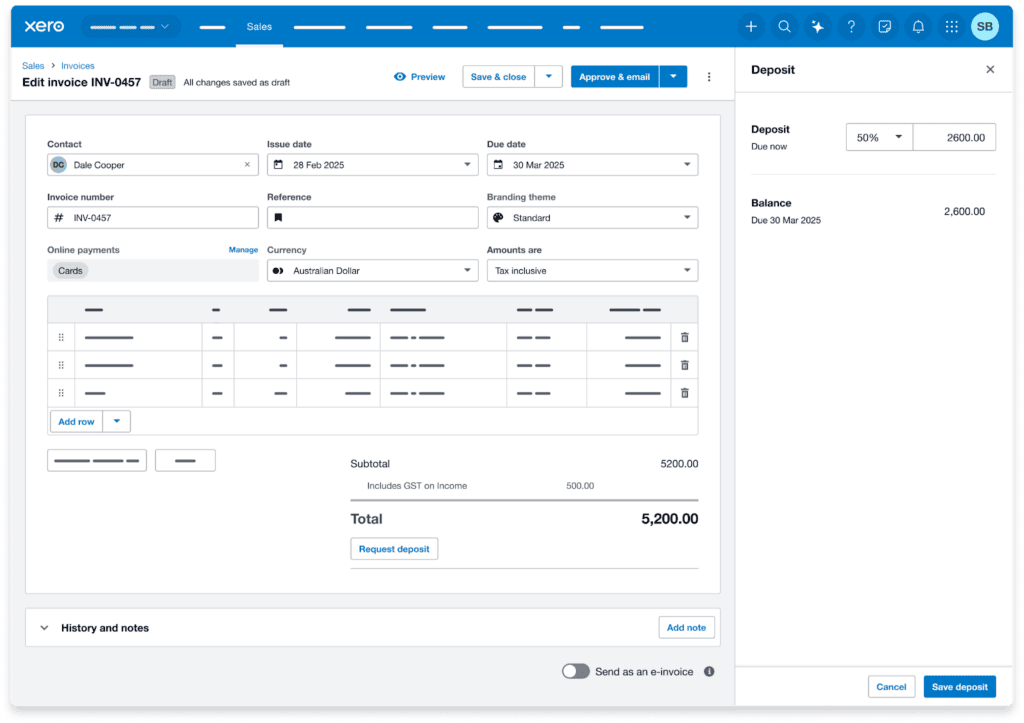
The government’s proposed 30-day limit to dispute invoices and 60-day payment caps make clear, enforced terms more important than ever. Xero helps you do this by setting default due dates and shorter terms for higher-risk customers, using repeating invoices, taking deposits up front (rolling out now), and monitoring aged receivables so you can proactively tighten terms when someone starts slipping.
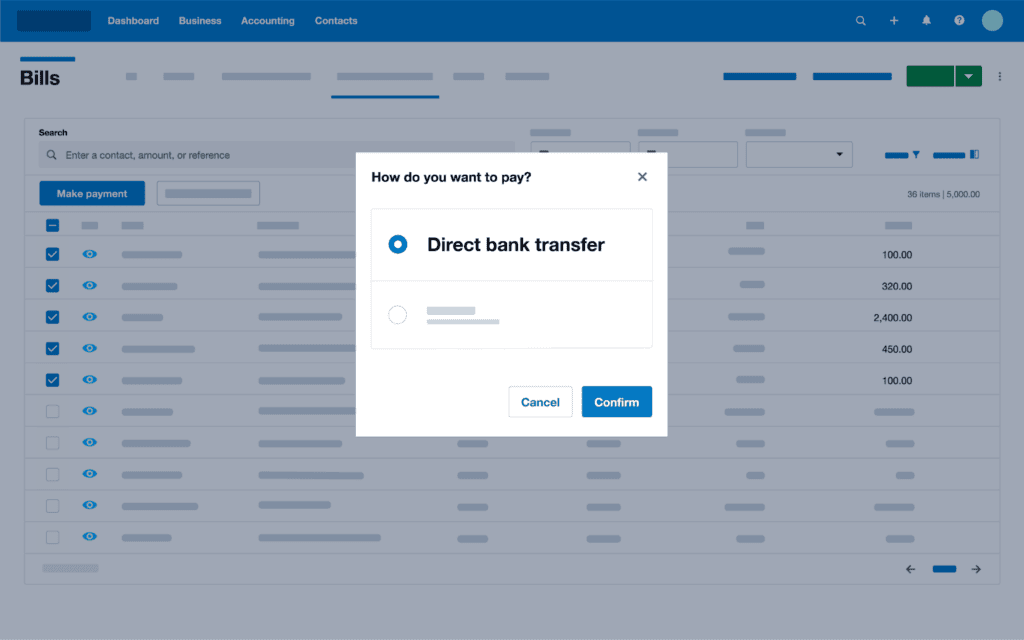
To avoid becoming part of the late-payment chain yourself, you need the same discipline on money out as on money in. Xero lets you automate bill entry and schedule domestic and multi-currency payments, giving you a single, real-time view of all money in and out. Small businesses using Xero for this report saving around 5 hours a week on bills management.
Late payment is becoming a compliance issue. Because every invoice and bill is created, paid, and reconciled in one place, Xero gives you a real-time picture of what’s in the bank today and what’s coming next. That makes it easier to plan around the new 30 and 60-day rules and make confident business decisions.
Find out why 4.6 million subscribers locally and across the world trust Xero with their numbers.
Try Xero For Free

You're on our global website. Change your region to see information and pricing for another location.